
Freelancing
Web Design
Honest Guide
How to Start Freelancing in Pakistan as a Web Designer (Honest Guide)
Freelancing is not a magic money tree. But it is a real way to build your own work, on your own terms. Here is my honest, step-by-step guide for Pakistani web designers. 💼
By Mariam • • 7 min read

If you search for freelancing in Pakistan, you will see big promises everywhere: “Earn lakhs from home in one month!” Honestly? That is not how it works. Freelancing is a real business, and like every business, it needs skill, patience and hard work.
But the good news is this: it is possible, and you can start from home. I always had a business mind, not a job mind, so working for myself always felt right. In this guide, I will share the honest steps I would tell any beginner web designer.
What You Need for Freelancing in Pakistan
Your Starter Kit
One skill you can do well (like WordPress web design)
A laptop and a stable internet connection
A small portfolio with three to five sample websites
A way to receive payments (ask your bank about receiving money from abroad)
A lot of patience, especially in the first few months
Freelancing is a business. You are the designer, the salesperson and the customer service, all in one. So treat it seriously from day one.
Start where you are. You don’t need an office or a big budget. A laptop at home is enough to begin.
How to Start Freelancing in Pakistan: 8 Honest Steps
Take these steps slowly. Strong basics make everything easier later.
Step 1
Learn One Skill Properly
First, pick one skill and learn it well. For web design, WordPress and Elementor are a great start. Here is my step-by-step website guide to begin with.
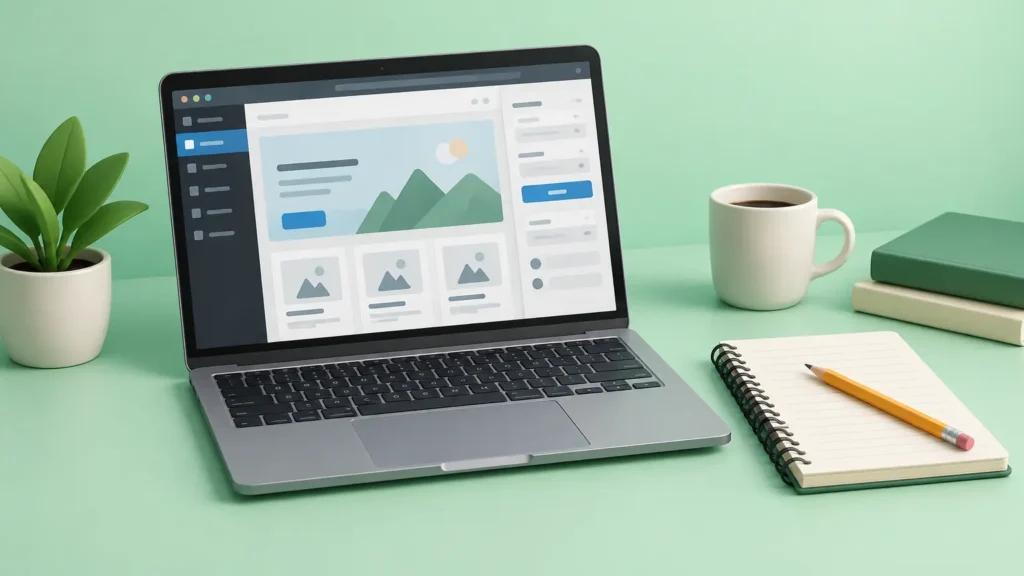
One strong skill beats five weak ones.
Step 2
Make Three Practice Websites
Next, build three sample websites, even if nobody paid you. For example, make one for a clinic, one for a restaurant and one for a small shop. These become your first portfolio.
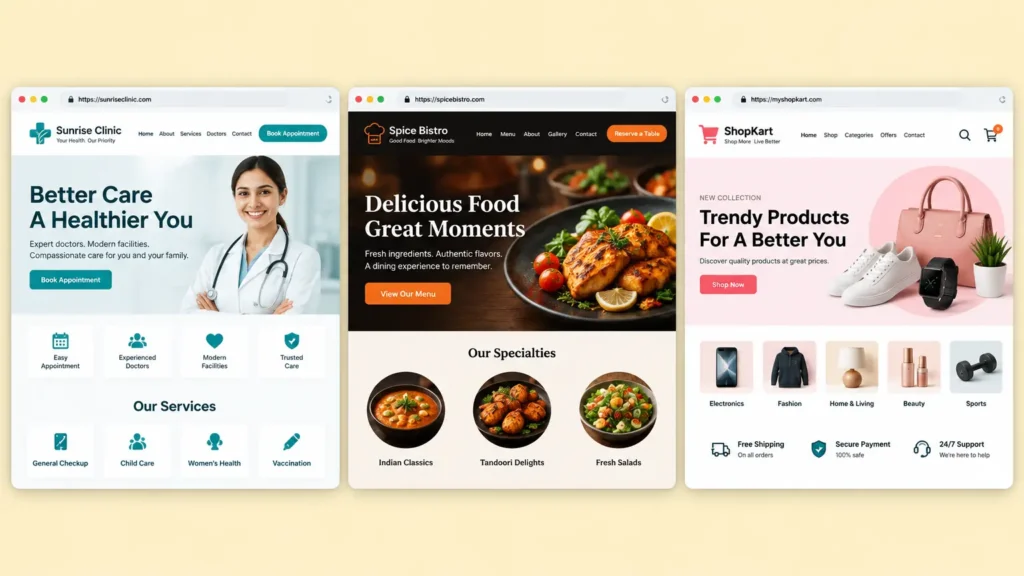
Practice websites become your first portfolio.
Step 3
Build a Simple Portfolio
Then put your best work in one place, like a simple portfolio website. Clients want to see what you can do, not just read about it.
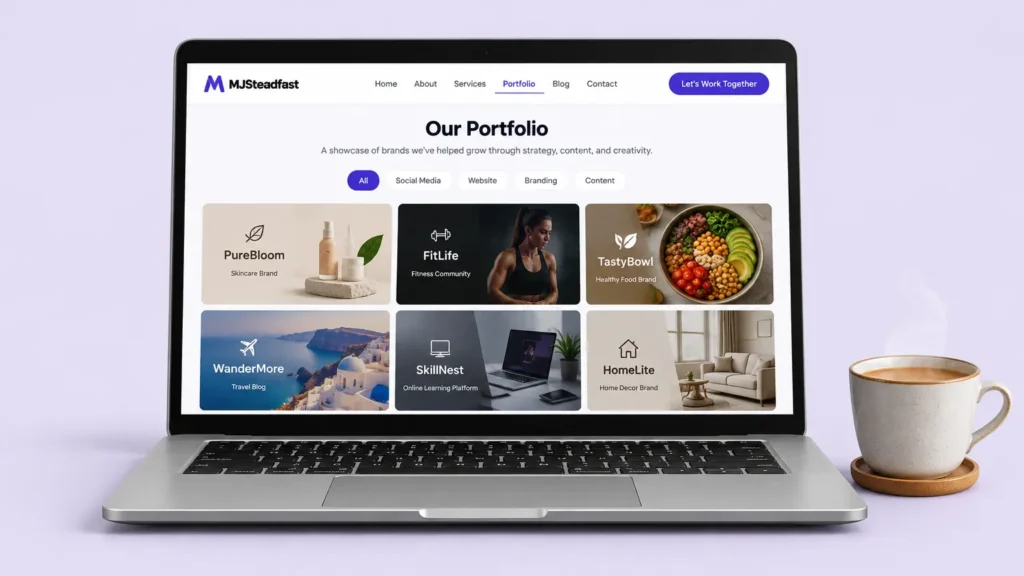
Let your work speak for you.
Step 4
Choose Where to Find Clients
Now decide where to look for clients. You can try platforms like Upwork or Fiverr, share your work on LinkedIn, or talk to local businesses around you. Start with one or two places, not all at once.

Pick one or two places and focus.
Step 5
Write a Simple, Honest Profile
After that, write a short profile: what you do, who you help, and examples of your work. Keep it simple and honest. Clients trust real people more than big words.
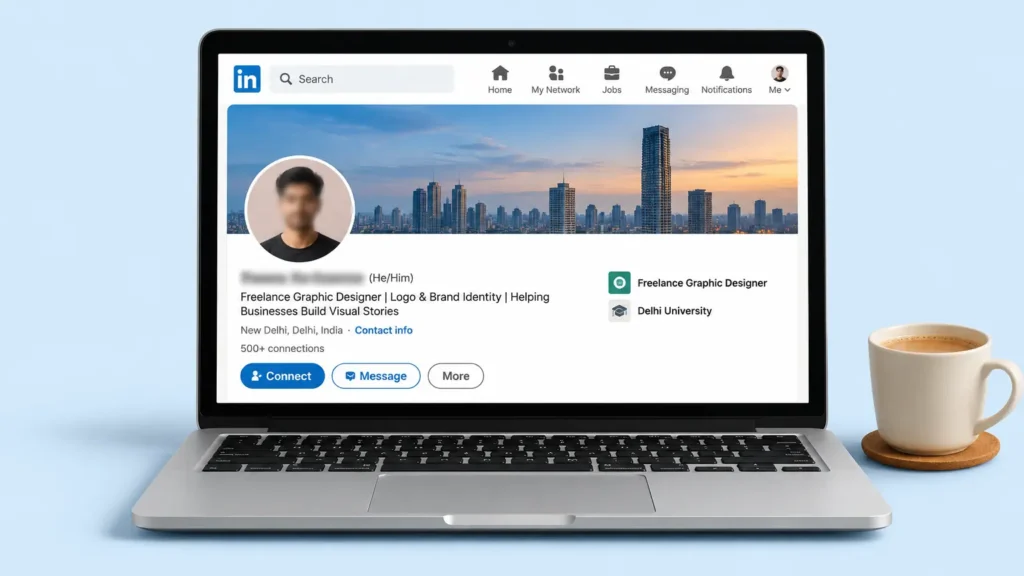
Clear and honest beats fancy and fake.
Step 6
Send Personal Messages
When you contact a client, read their need first, and then write a personal message. Copy-paste messages are easy to spot, and they usually get ignored.

A personal message stands out.
Step 7
Start Small and Deliver Great Work
Your first projects may be small, and that is okay. Do them really well, reply on time, and be kind. Happy clients bring reviews, and reviews bring more clients.

Great work today brings clients tomorrow.
Step 8
Talk About Money Clearly
Finally, always agree on the price, the work and the deadline before you start. Taking an advance payment is normal and smart. Here is what goes into website cost, to help you price your work.
Clear money talk keeps everyone happy.
💡 Never start a big project without a written agreement, even a simple message that lists the work, the price and the deadline.
Where Can You Find Clients?
There is no single best place. Here are three options, and you can mix them:
Freelance Platforms
Upwork and Fiverr connect you with clients from around the world. They take a fee, but they also bring work.
Share your work, help people with tips, and connect with business owners. Slow at first, but very powerful.
Local Businesses
Clinics, schools, shops and restaurants near you often need a website. Sometimes the best client is around the corner.
My honest advice: Consistency matters more than luck. A few messages every day for a few months usually beats one big push for a week.
Freelancing Red Flags to Watch For
Most clients are good people. But please be careful with these warning signs.
Be Careful When Someone
Asks you to pay money to get work.
Wants a full project done as a free “test.”
Asks for your bank password or personal documents.
Refuses to explain the work clearly.
Pressures you to start before agreeing on the price.
Quick Questions
Can I start freelancing in Pakistan without a degree?
Yes. Clients care about your skills and your work, not your degree. A good portfolio speaks louder than a certificate.
How long does it take to get the first client?
It is different for everyone. For some people it takes a few weeks, and for others a few months. Keep improving your portfolio and keep reaching out.
Do I need money to start freelancing?
Not much. You mainly need a laptop and internet. Some platforms charge small fees, so read their rules before you join.
Is web design a good skill for freelancing?
Yes. Almost every business needs a website, so web design is a skill with real demand, in Pakistan and around the world.
Final Thoughts on Freelancing in Pakistan
Freelancing in Pakistan is not a shortcut to quick money. But it is a real path to your own work, your own time and your own growth. Learn one skill well, show your work, reach out every day, and treat every client with care.
Start small, stay honest, and keep going. Your first client is closer than you think. 💪
With love,
Mariam
Your Plan
Ready to Start Your Freelancing Journey? 🚀
Tell me in the comments: which skill are you learning for freelancing? Or if you already freelance, share one tip for beginners!